
What Adds Lasting Value to a Colorado Landscape — And What Fades Fast
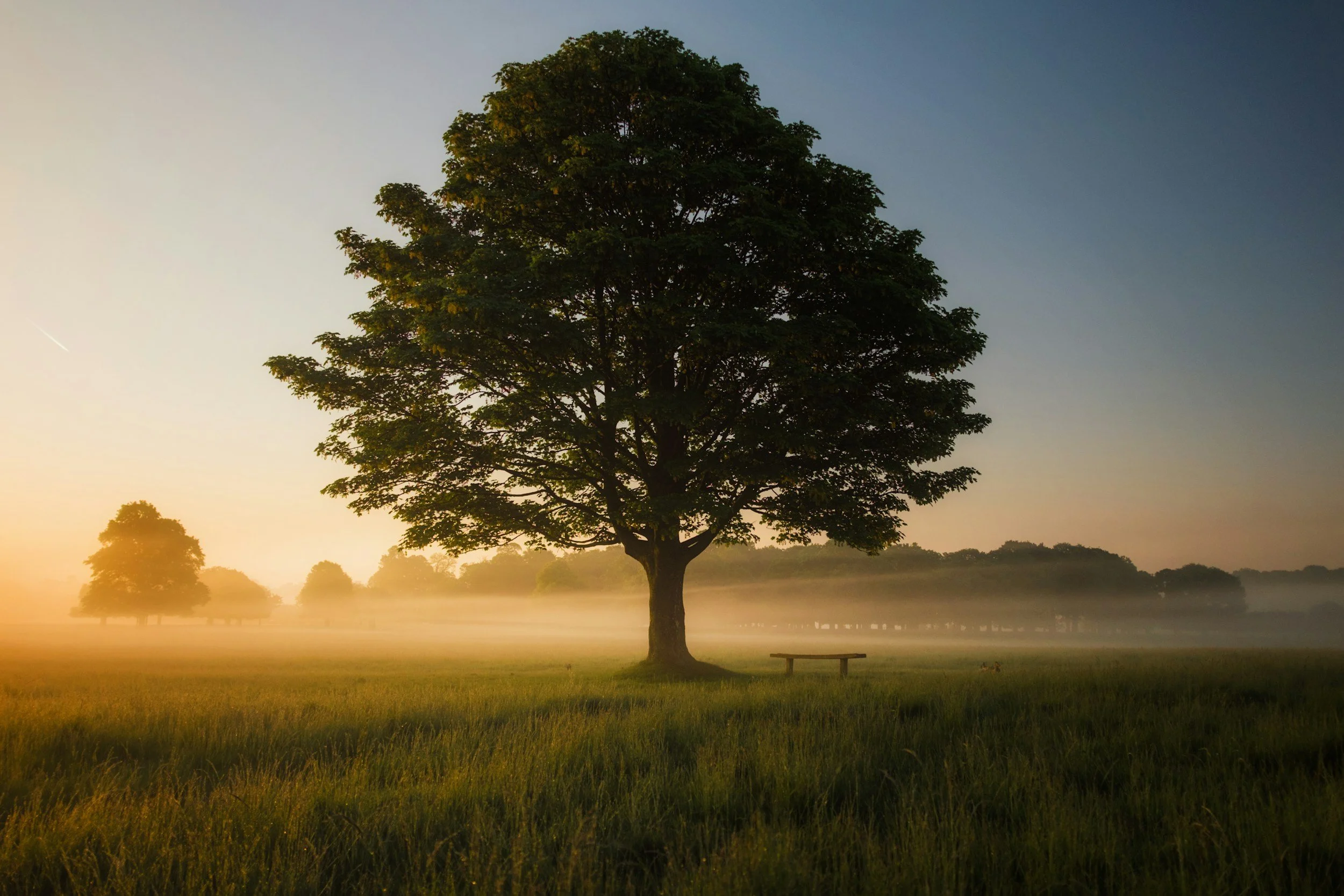
When people talk about “adding value” to their landscape, they’re often thinking in terms of visual impact — what looks impressive, current, or striking right now.
But lasting value in a Colorado landscape has very little to do with what photographs well in the moment.
After years of designing and building landscapes across the Front Range, we’ve seen a clear divide between projects that age gracefully and those that begin to feel dated, high-maintenance, or underwhelming far sooner than expected.
The difference almost always comes down to fundamentals.
Lasting Value Starts With How a Space Functions
The landscapes that continue to feel valuable years down the line are the ones that are easy to live with.
That usually means:
Clear, intuitive circulation
Comfortable gathering areas that feel natural to use
Thoughtful transitions between indoor and outdoor spaces
Shade, sun, and wind considered from the beginning
When function is right, the space gets used more often — and value compounds through daily enjoyment, not just resale math.
Landscapes that prioritize appearance over use often look great initially, but slowly lose relevance as habits and seasons reveal their limitations.
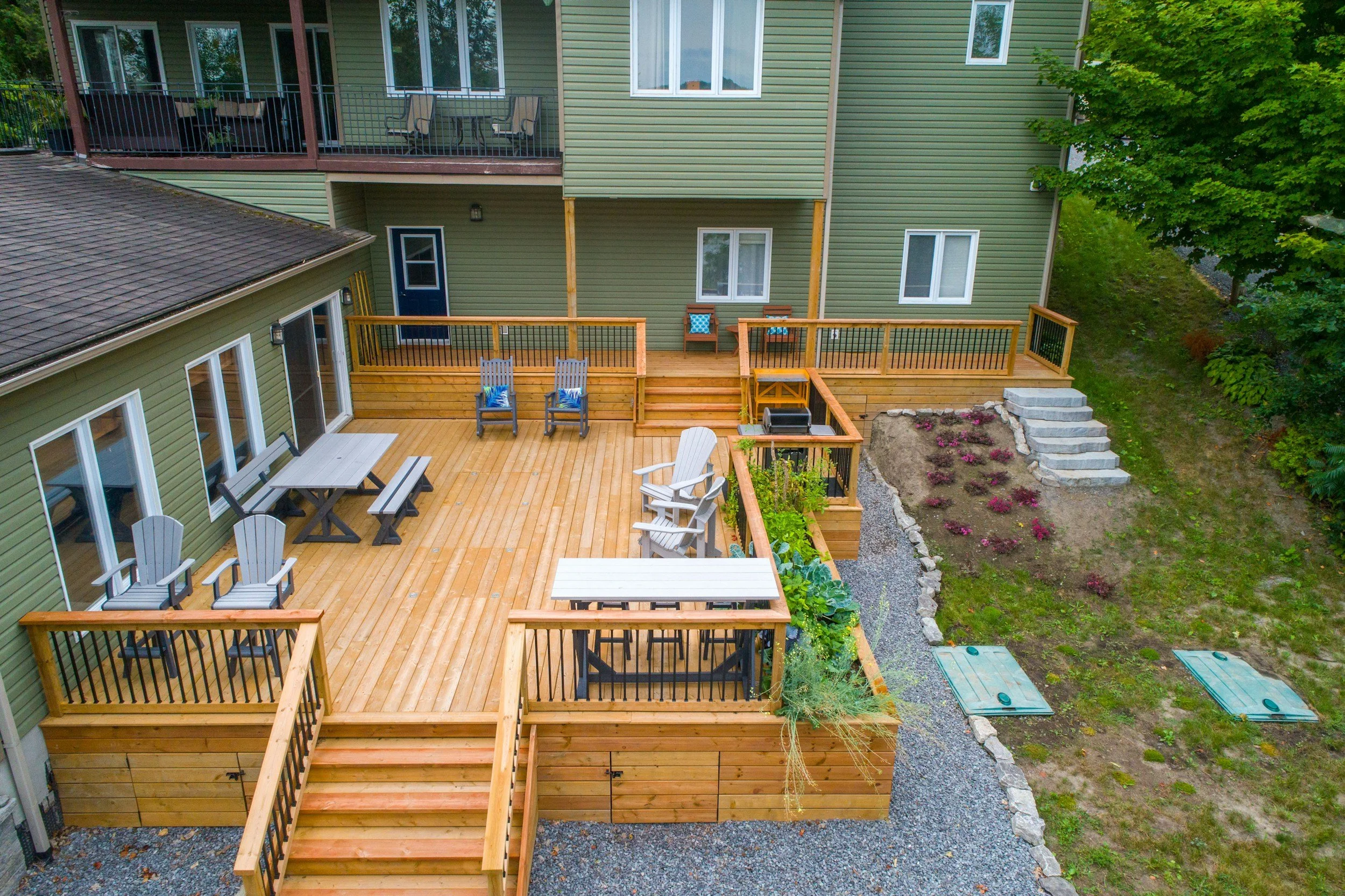
Infrastructure Is the Quiet Backbone of Value
Some of the most important contributors to long-term landscape value are the least visible.
In Colorado, that includes:
Proper grading and drainage
Stable base preparation for hardscape
Correct elevations relative to the home
Materials that handle freeze-thaw cycles gracefully
These elements don’t announce themselves — but when they’re missing, the problems are impossible to ignore.
Landscapes built on solid infrastructure tend to remain calm and predictable over time.
Those built without it often become a source of ongoing maintenance, frustration, and repair.
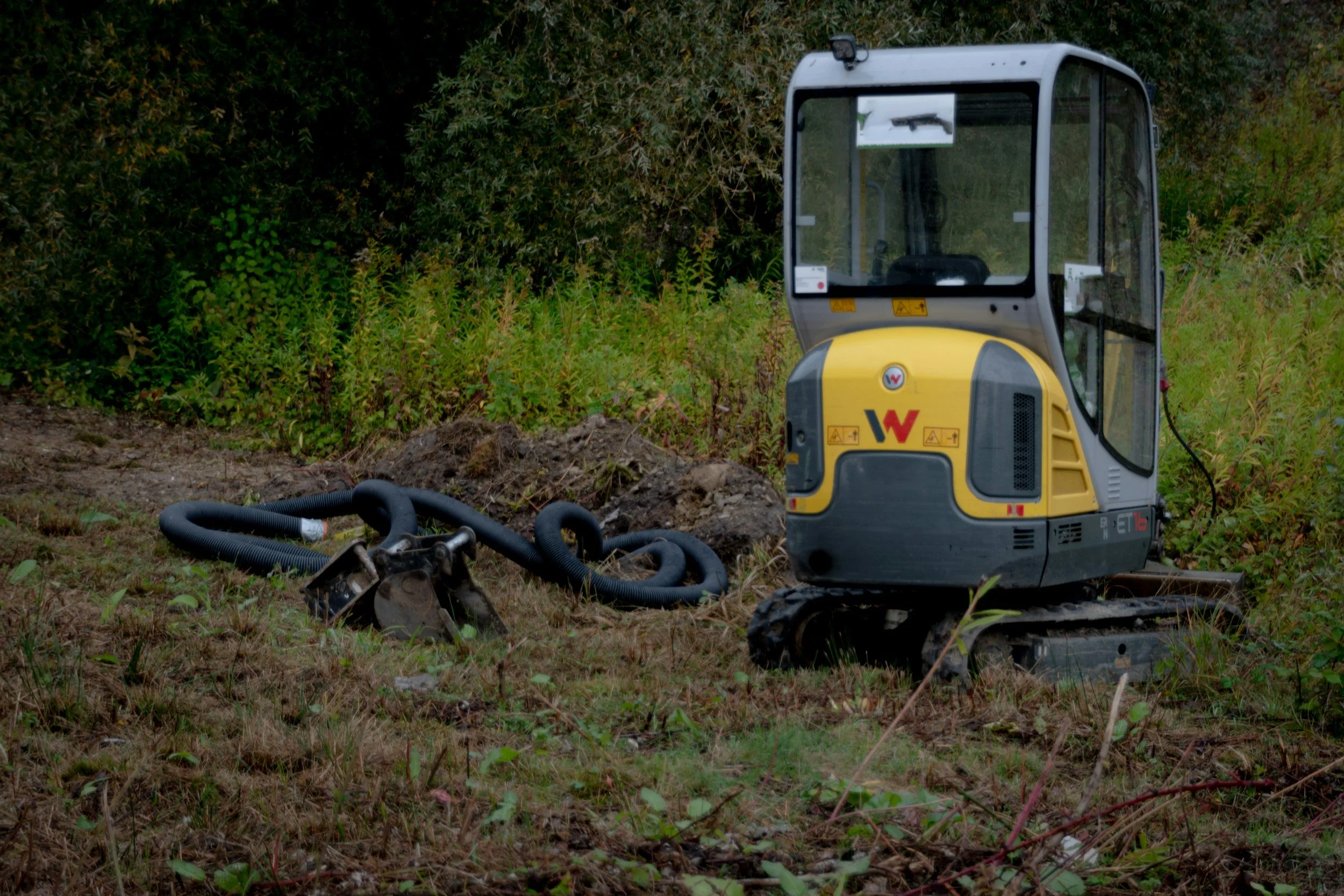
Materials That Age Well Add More Value Than Flashy Finishes
Trends often emphasize surface-level finishes: colors, textures, or styles that feel fresh and exciting.
Lasting value comes from materials that:
Weather attractively
Require reasonable maintenance
Feel appropriate to the architecture and setting
Look better with age, not worse
Natural stone, thoughtfully chosen concrete finishes, and regionally appropriate materials tend to outperform trend-driven alternatives over time.
When materials develop character instead of showing wear, the landscape feels intentional long after installation.
Planting Design Is About Maturity, Not Install-Day Impact
One of the fastest ways for a landscape to lose value is through planting that isn’t designed with growth in mind.
High-value planting plans consider:
Mature size and spacing
Seasonal interest across the year
Water needs and exposure
Long-term maintenance requirements
In Colorado’s climate, plants that are selected for resilience and compatibility tend to thrive — while overly delicate or trend-driven selections often struggle.
A landscape that improves as plants mature feels more valuable every year.
One that requires constant correction does not.
Value Is Ultimately About Confidence, Not Complexity
The most valuable landscapes share a common feeling:
they make sense.
They feel calm, balanced, and appropriate — not overworked or overly precious.
This kind of confidence comes from:
Restraint
Experience
Understanding what matters most for the site and the people using it
When those factors are in place, the landscape supports daily life instead of competing with it.
What Tends to Fade Fast
Certain choices tend to feel dated or burdensome sooner than expected, especially when they’re driven by trends rather than context.
These often include:
Overly complex layouts with no clear hierarchy
Highly customized features that don’t match the home’s architecture
Plant palettes chosen for novelty instead of longevity
Features added without a cohesive plan
That doesn’t mean these elements are “wrong” — it means they require a higher level of care and alignment to remain successful over time.
Without that alignment, their value diminishes quickly.
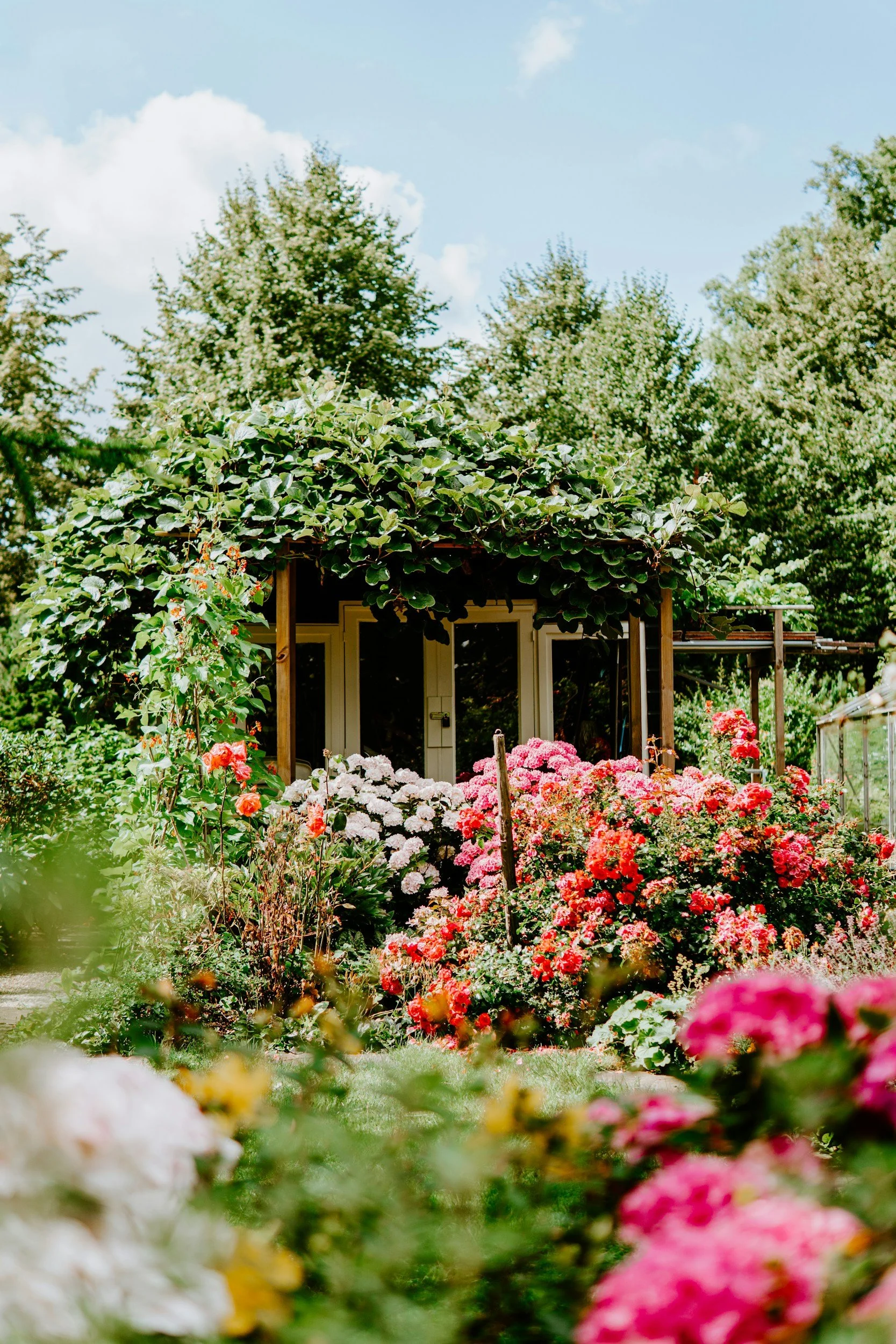
Our Perspective
At Twisted Vine, we focus on creating landscapes that continue to feel right long after the excitement of completion fades.
That means prioritizing:
Function before embellishment
Infrastructure before finishes
Longevity before trends
Clarity before complexity
The result is outdoor spaces that add real, lasting value — not just at resale, but in everyday life.
Next in the series:
Why Quality Landscaping Is About Fewer Regrets, Not Fewer Features