
Why Quality Landscaping Is About Fewer Regrets — Not Fewer Features.

When people imagine a “high-quality” landscape, it’s easy to picture a long list of features: patios, fire elements, outdoor kitchens, lighting, planting, water features.
But after years of designing and building landscapes, we’ve learned something important:
The success of a landscape project has far less to do with how much is included — and far more to do with how well each element belongs.
The most satisfying outdoor spaces aren’t the ones with the longest scope.
They’re the ones with the fewest regrets.
Regret Rarely Comes From Doing Too Little
Homeowners are often surprised to learn that regret almost never comes from not adding something.
It usually comes from:
Features that don’t get used
Spaces that feel awkward or disconnected
Materials that age poorly
Elements that require more maintenance than expected
In other words, regret shows up when choices are made without enough context.
A thoughtful landscape doesn’t try to include everything.
It includes the right things.
Quality Is About Fit, Not Quantity
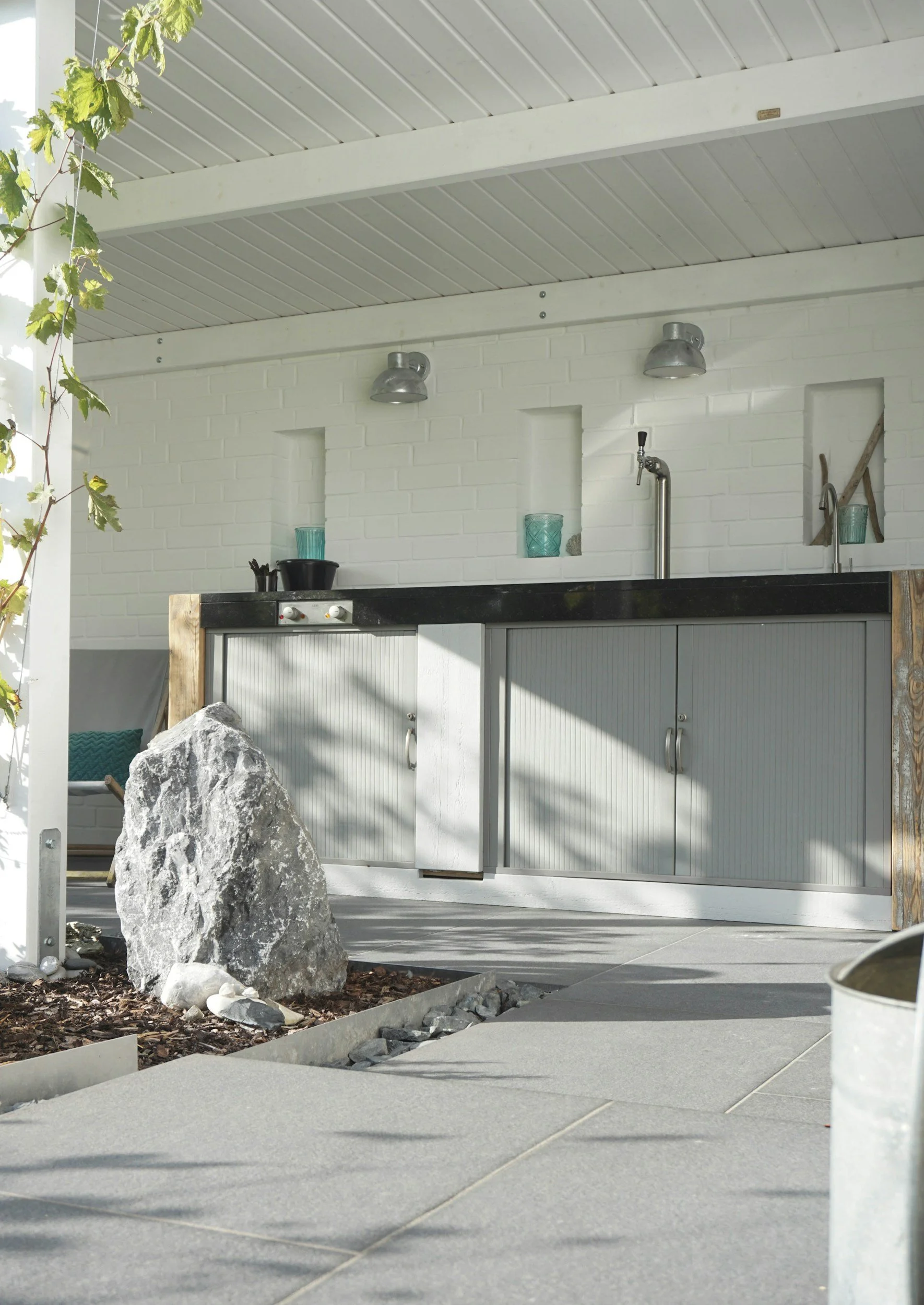
A single, well-designed gathering space often delivers more long-term satisfaction than multiple underused zones.
Quality shows up when:
Circulation feels natural
Spaces align with how people actually live
Proportions feel balanced
Maintenance matches expectations
The landscape feels calm instead of busy
Adding more features doesn’t automatically improve a space.
In fact, it often increases complexity without increasing enjoyment.
Thoughtful Restraint Is a Sign of Experience
One of the clearest indicators of quality in a landscape project is restraint.
That restraint might look like:
Choosing fewer materials, used consistently
Allowing open space to balance built elements
Letting planting play a primary role instead of over-structuring
Designing flexibility instead of locking in every detail
These choices require confidence — and experience — because they don’t rely on visual noise to make an impression.
They rely on clarity.
Regret Is Often a Maintenance Problem in Disguise
Many features look appealing during design but become a source of frustration over time.
High-regret elements often share a common thread:
They demand attention
They require frequent upkeep
They don’t age gracefully
They feel precious rather than usable
Quality landscapes account for this upfront by asking:
How will this be used in real life?
How will it feel five years from now?
What happens if priorities change?
When those questions are answered honestly, regret tends to disappear.
Fewer, Better Decisions Create Better Outcomes
A well-considered landscape plan doesn’t limit possibility — it focuses it.
By prioritizing:
Core spaces
Strong relationships between elements
Durable materials
Long-term performance
…the entire project becomes more cohesive and more satisfying.
It’s not about reducing ambition.
It’s about directing it where it matters most.
Our Philosophy
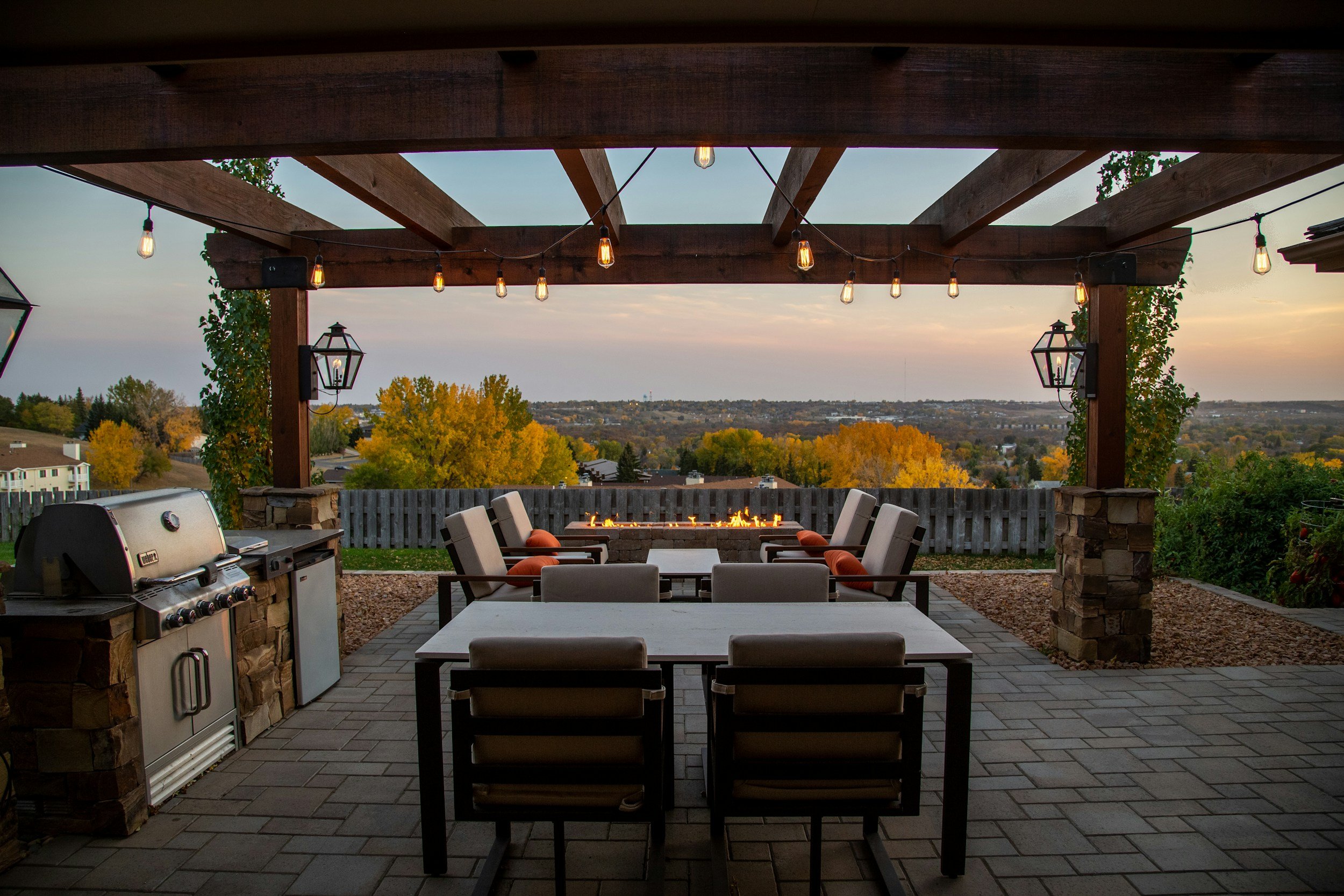
At Twisted Vine, we believe quality landscaping is defined by how a space holds up over time — not by how much is included at the outset.
Our role is to help clients:
Make confident decisions
Avoid common regrets
Build spaces that feel natural to live with
Invest in features that earn their place
The result is a landscape that feels intentional, balanced, and enduring.
Next in the series:
Phased Landscaping: Building Momentum Without Compromising the Vision