
Phased Landscaping: Building Momentum Without Compromising the Vision

One of the most common questions we hear from homeowners is:
“Do we need to do everything at once?”
The answer is simple — and often reassuring:
You don’t have to build everything at the same time, as long as everything is working toward the same vision.
Phased landscaping, when done well, isn’t about slowing down or settling for less.
It’s about building momentum while preserving clarity and long-term quality.
Phasing Works Best When the Vision Is Clear
The difference between strategic phasing and piecemeal construction comes down to one thing: intent.
A phased project succeeds when:
There is a cohesive master plan
Infrastructure is designed to support future elements
Each phase feels complete on its own
Nothing built today needs to be undone later
Without that framework, phasing can feel disjointed.
With it, phasing becomes a powerful tool.

Start With the Elements That Matter Most
In most successful phased landscape projects, early phases focus on fundamentals:
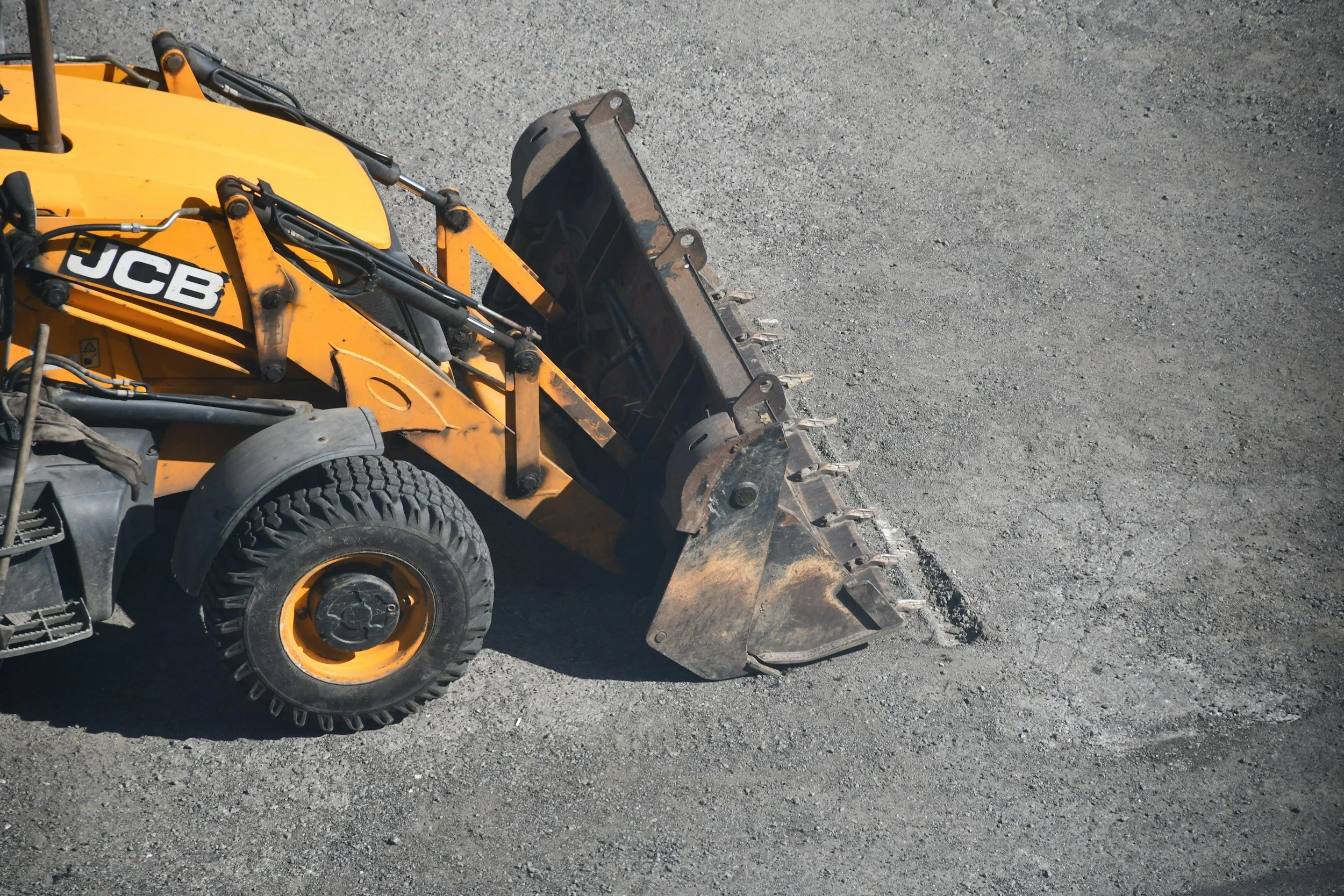
Grading and drainage
Primary circulation and access
Core gathering spaces
Structural elements that define how the site works
These investments establish the backbone of the landscape.
Once that foundation is in place, future additions integrate naturally — without forcing compromises or redesign.
Phasing Creates Flexibility Without Sacrificing Quality
One of the greatest advantages of phased landscaping is flexibility.
A well-designed plan allows homeowners to:
Adapt to changing needs over time
Respond to how the space is actually used
Adjust priorities without losing cohesion
Build confidence with each completed phase
Instead of locking everything in at once, the landscape evolves with intention.
The end result still feels unified — because the vision was unified from the start.
Each Phase Should Feel Complete, Not Temporary
A common concern with phased projects is that early stages will feel unfinished.
When phasing is done thoughtfully, that doesn’t happen.
Each phase should:
Function fully on its own
Feel intentional, not like a placeholder
Enhance daily use of the space
Clearly connect to what comes next
This creates satisfaction at every step, not just at the finish line.
Phasing Is About Momentum, Not Hesitation
Choosing to phase a project isn’t about uncertainty.
It’s about control.
It allows homeowners to:
Make informed decisions
Maintain clarity
Preserve optionality
Keep the project aligned with real life
Momentum doesn’t require doing everything at once.
It requires knowing where you’re going.
Our Approach
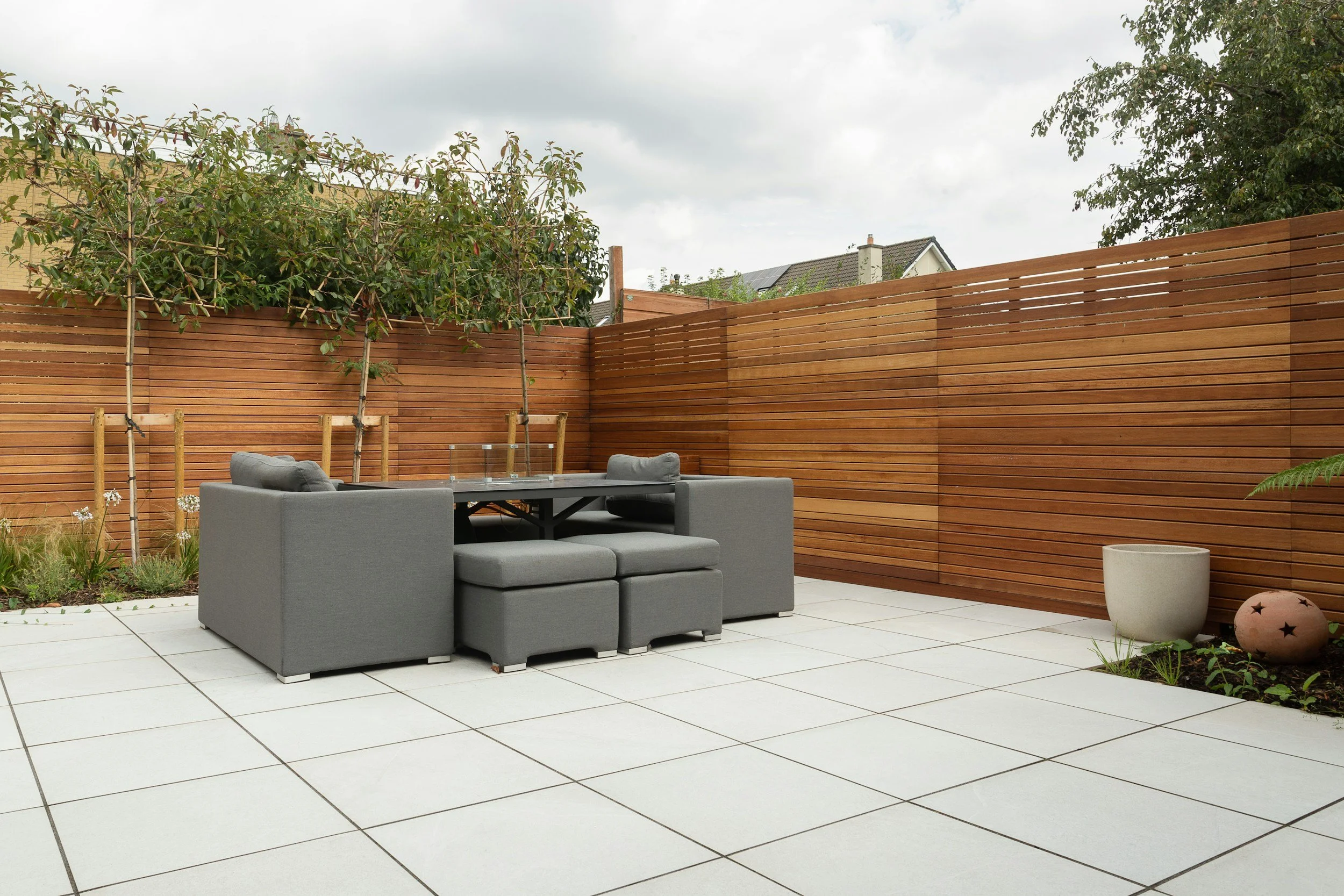
At Twisted Vine, we design landscapes with phasing in mind from the beginning — even when a project is built in a single phase.
That approach ensures:
Every decision supports the long-term vision
Infrastructure is never an afterthought
Future additions feel seamless, not forced
Whether a landscape is completed all at once or over time, our goal is the same:
to create outdoor spaces that move forward with clarity, confidence, and purpose.
Next in the series:
The Details That Separate Landscapes That Age Gracefully From Those That Don’t