
Why the Best Landscape Projects Start With a Thoughtful Plan
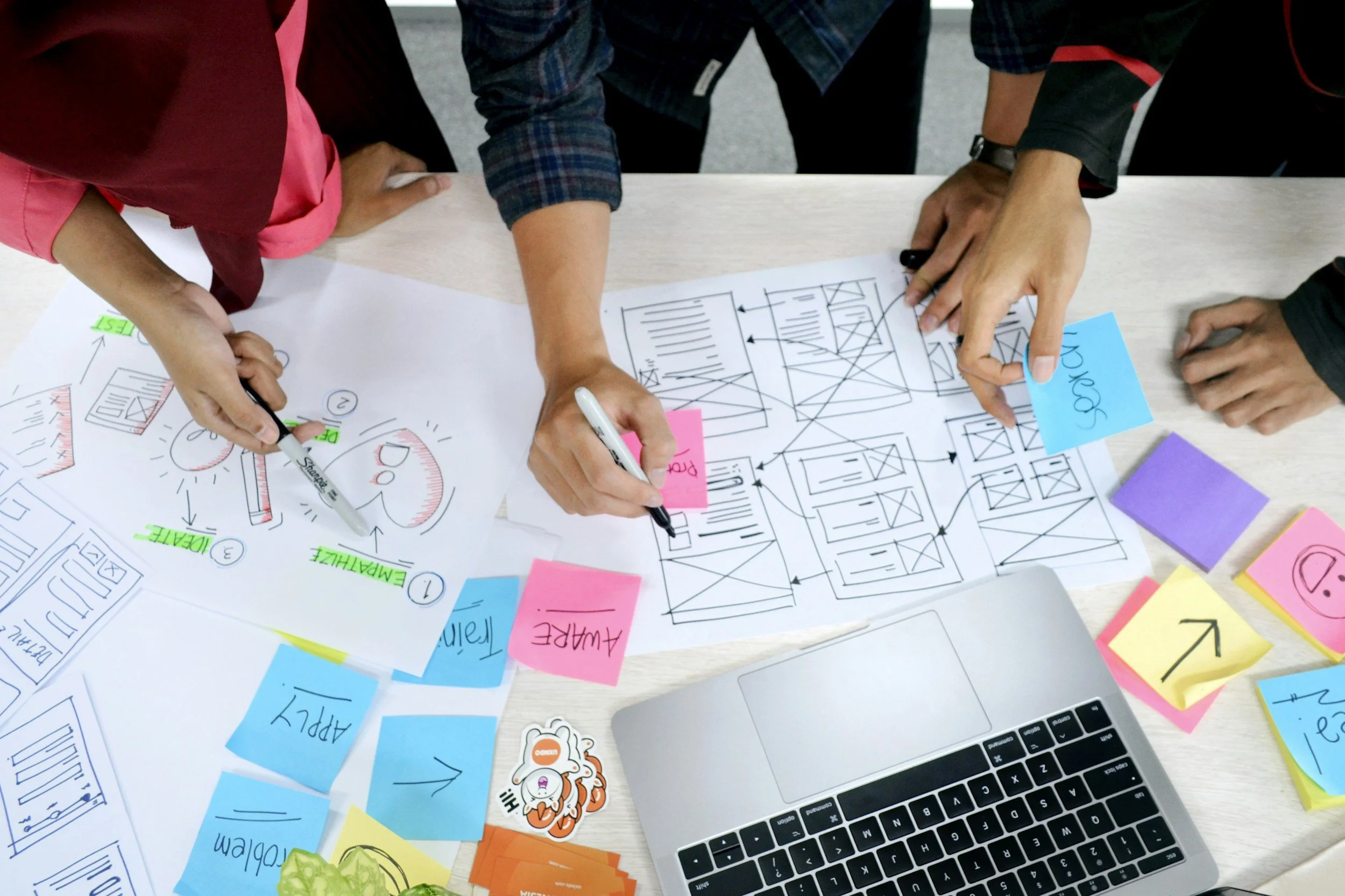
When homeowners talk about great landscape projects, they usually point to the finished result — the patio, the plantings, the fire feature, the way the space feels when everything comes together.
What’s less visible, but far more important, is what happened before construction ever began.
The strongest landscape projects don’t succeed because of a single feature or material choice.
They succeed because there was a clear, thoughtful plan guiding every decision from the start.
A Plan Isn’t About Slowing Down — It’s About Building With Confidence
There’s a common misconception that landscape design is something you “get through” before the real work begins.
In reality, design is what allows projects to move forward smoothly, decisively, and without costly reversals.
A well-developed plan creates:
Clear priorities
Defined relationships between spaces
Informed material selections
Fewer surprises during construction
Instead of reacting to decisions as they come up, homeowners and builders are aligned from day one.
That alignment saves time, protects the investment, and makes the entire process far more enjoyable.
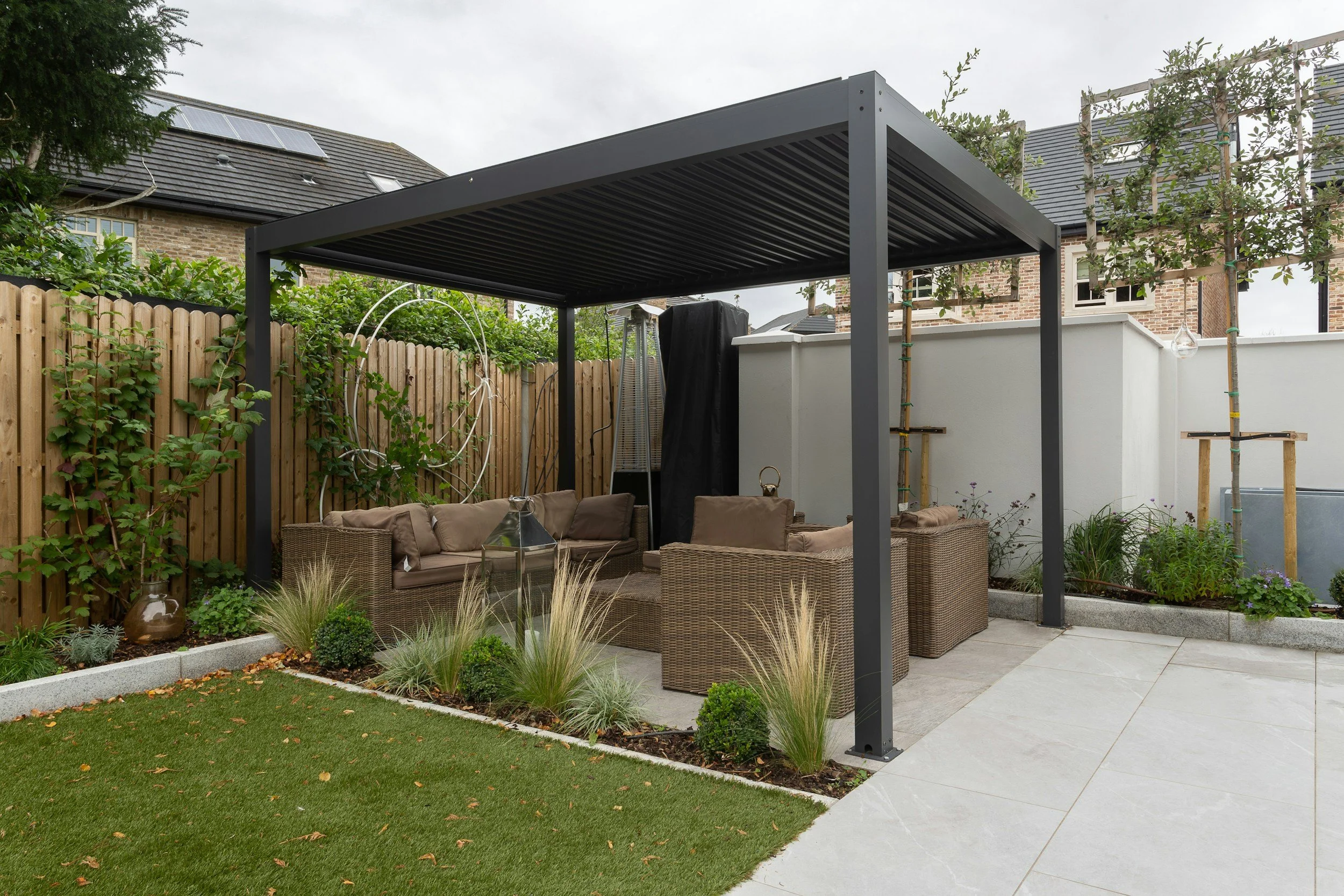
Design Creates Clarity Before Execution
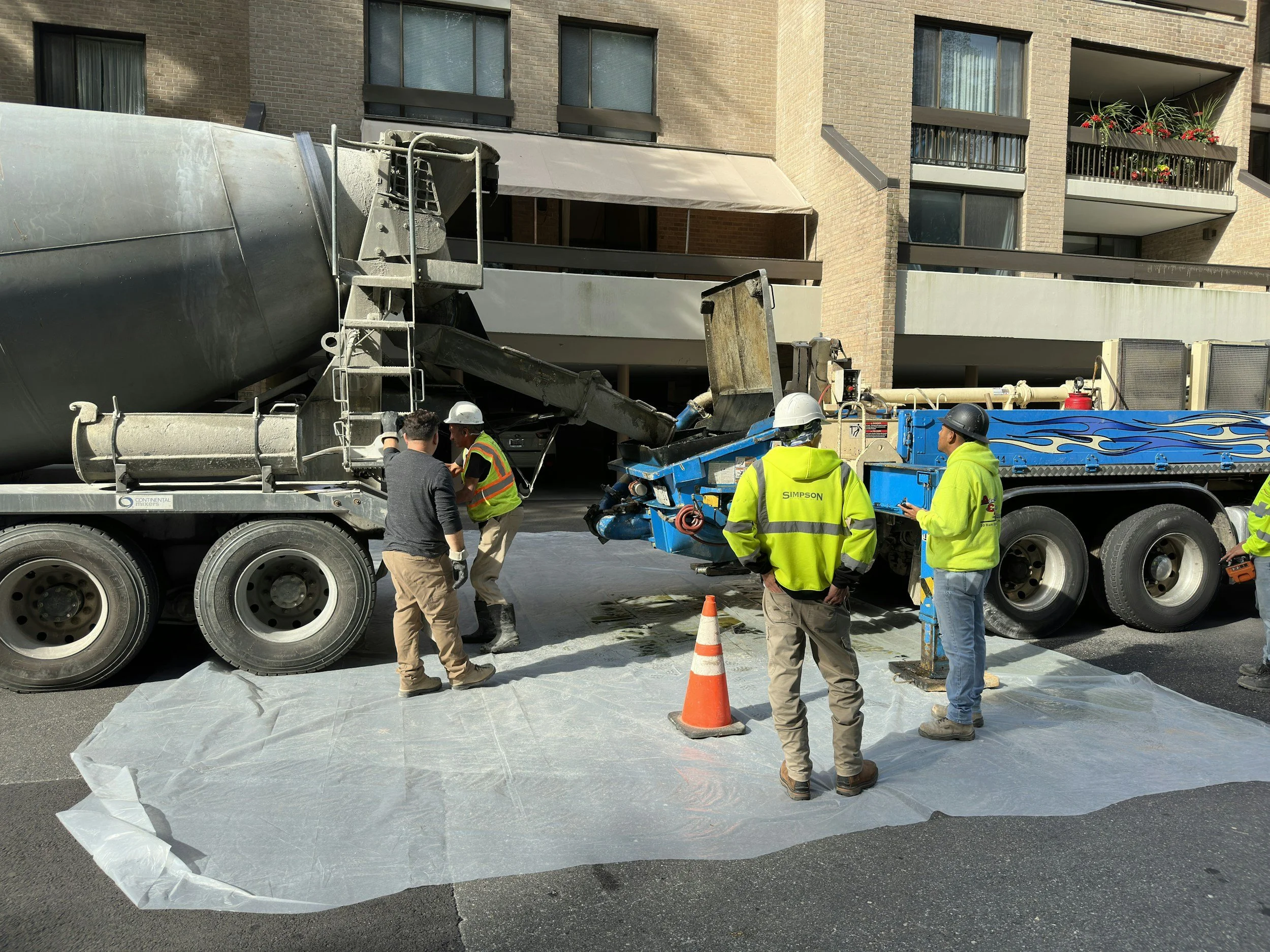
Once construction starts, flexibility drops dramatically.
Grades are set.
Drainage is locked in.
Hardscape dimensions are fixed.
A thoughtful design phase ensures those decisions are made intentionally, not under pressure.
This is especially important in Colorado, where:
Drainage and grading are critical
Freeze-thaw cycles punish shortcuts
Sun, wind, and elevation vary widely from site to site
Design allows these realities to be addressed early — when they’re easiest and least expensive to solve.
A Good Plan Allows a Landscape to Evolve Gracefully
Not every project needs to be built all at once.
One of the biggest advantages of strong landscape design is that it creates coherence over time.
With a clear plan:
Projects can be phased without feeling disjointed
Infrastructure supports future additions
Each step feels intentional, not reactive
The end vision remains intact, even as it unfolds
This gives homeowners flexibility without sacrificing quality or direction.
The landscape grows with them — instead of being constantly “patched.”
Design Protects Against the Most Common Regrets
Many of the frustrations homeowners experience with outdoor projects aren’t about budget — they’re about hindsight.
Common regrets often include:
Patios that feel disconnected from the house
Drainage issues that show up after the first heavy rain
Plantings that outgrow their space too quickly
Features that looked good on paper but don’t fit daily life
Thoughtful design dramatically reduces these outcomes by asking the right questions before construction begins.
It’s not about perfection — it’s about foresight.
The Difference Between Drawing and Designing
Not all plans are created equal.
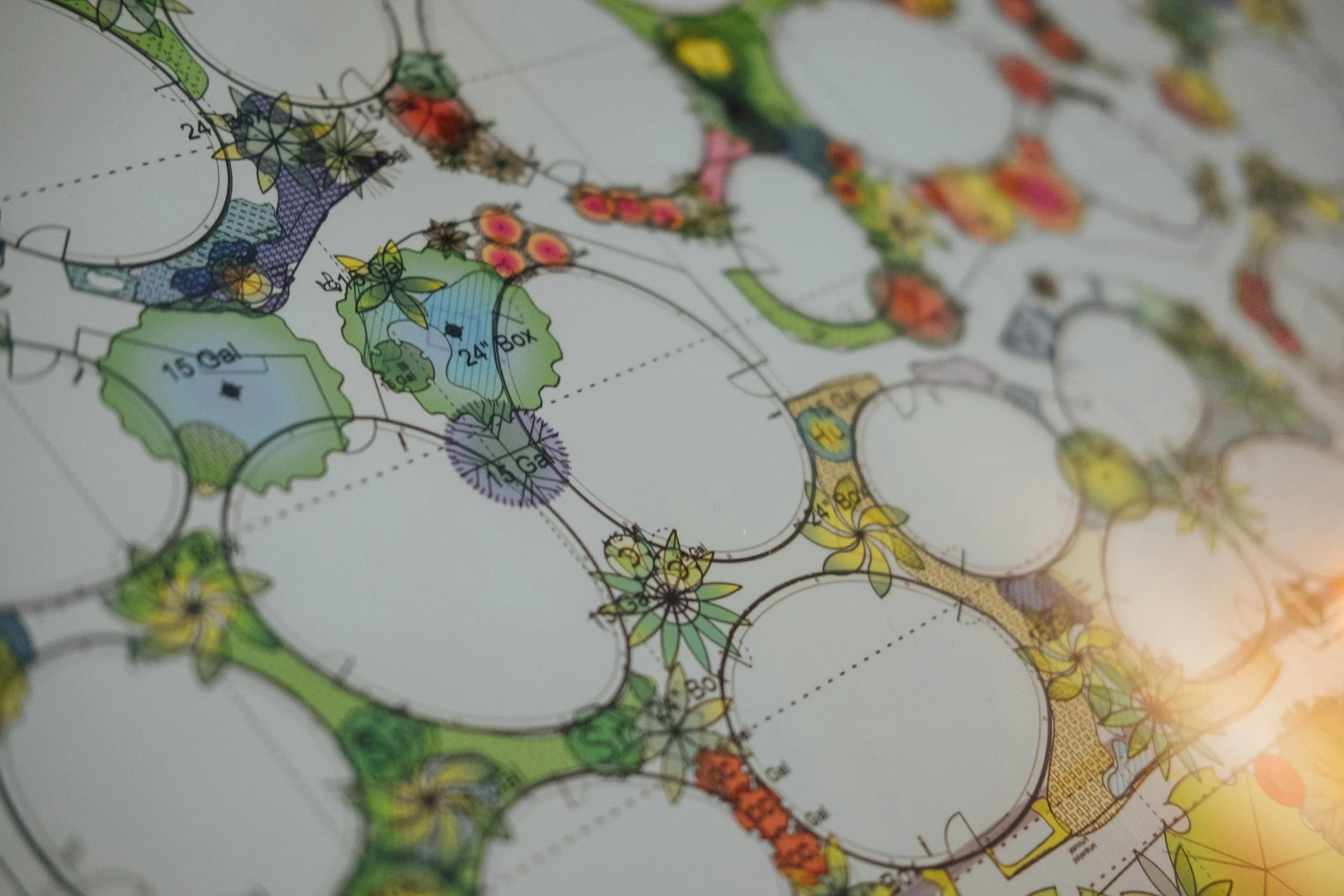
A true landscape design does more than show where things go. It explains why they go there.
That includes:
How spaces relate to one another
How people move through the site
How materials will age
How maintenance will realistically be handled
How the landscape responds to the site over time
This level of thinking turns drawings into decisions — and decisions into lasting results.
Our Approach
At Twisted Vine, we see landscape design as the foundation of every successful project.
It’s where we:
Translate lifestyle into space
Solve problems before they appear
Create momentum instead of hesitation
Give clients confidence at every step
Whether a project is built in one phase or over time, a thoughtful plan ensures it moves forward with clarity and purpose.
That’s how great landscapes are created — and why they continue to feel right long after construction is complete.
Next in the series:
What Adds Lasting Value to a Colorado Landscape (And What Fades Fast)